
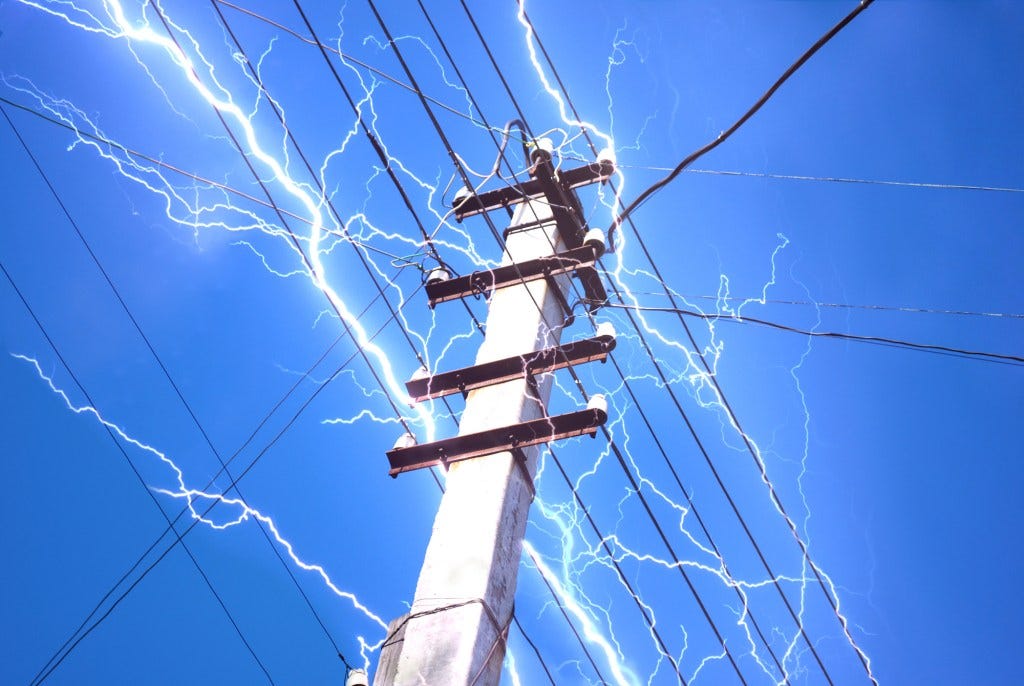
Don’t get blindsided by the energy revolution.
Even if you don’t buy energy. Even if you’re not in heavy industry. Even if your biggest concerns are supply chains, geopolitics and cybersecurity. You need to be aware of what is happening in Energy.
One soft drinks company found out the hard way. Planning a large new factory in the UK, they expected to install solar panels across all available roof space—enough to make the site self-sufficient and feed surplus power back to the grid. It fit their ESG targets, slashed energy costs, and made great PR.
But they hit a brick wall: the local grid couldn’t take the power. Not because they were drawing too much, but because the infrastructure wasn’t built to receive electricity from customers. Despite the investment, the roof, and the sunlight, they were stuck.
Multiply that by thousands of companies across dozens of sectors, and you start to see the problem:
We’re entering an energy-fragmented era—and most businesses aren’t ready.
From Central Control to Local Chaos: Energy’s Shifting Landscape
For over a century, businesses treated electricity like water: it came from a central source, flowed one way, and pricing was predictable. That model is cracking.
We’re now seeing a surge in:
Local generation (solar, wind, combined heat and power)
Battery storage and EVs-as-assets
Dynamic pricing and time-of-use tariffs
Grid instability and patchy infrastructure
This isn’t just a utilities issue. It’s a business continuity issue, an investment risk, a competitive differentiator, and increasingly, a license-to-operate issue.
Why You Should Care—Even If Energy Isn’t “Your Job”
1. Your Next Site Might Not Work
That soft drinks factory isn’t unique. Manufacturers, logistics hubs, and data centers are discovering that grid constraints—not land, labor, or tax—are the critical bottleneck.
You may be unable to export solar power to the grid.
Your site’s energy needs might outstrip regional capacity.
Upgrading the connection could take years, not months.
Real estate due diligence needs a new lens: Can this site support your future energy plan—or is it a stranded asset waiting to happen?
2. Energy Becomes a Strategic Variable
We’re moving from a flat-rate world to a volatile energy market:
Prices can swing wildly based on weather, time of day, or demand.
Smart firms are using on-site batteries to arbitrage pricing.
Others are getting paid to reduce consumption during peak periods.
Companies in cold storage, logistics, and manufacturing are already seeing that energy flexibility beats energy efficiency.
3. Your Suppliers May Be Vulnerable
Just as Covid exposed brittle supply chains, the energy transition is exposing brittle industrial ecosystems:
Can your upstream suppliers cope with grid fluctuations or energy price spikes?
Are they using processes that will soon face regulatory or carbon price penalties?
Will geopolitical disruptions to solar, battery, or hydrogen tech ripple into your cost base?
A Tier 2 supplier’s diesel addiction could become your public relations crisis.
4. Products and Services Will Be Judged on Energy Intelligence
Products that consume energy are being held to new standards:
Do your devices optimize for time-of-use pricing?
Can your software handle energy-aware routing or logistics?
Is your building management system designed for dynamic energy markets?
Even if you don’t sell energy tech, you’ll need to sell energy competence.
Still Think This Isn’t Your Priority?
You’re right to worry about geopolitics, supply chains and cyber security. But don’t overlook energy infrastructure.
China controls most of the critical materials for batteries and solar panels.
Europe’s grid is still digesting the consequences of Russia’s gas weaponization.
Subnational energy policy is creating industrial winners and losers within countries.
Ignoring energy is like ignoring the water table when you’re in real estate: it’s beneath everything—but when it shifts, everything moves.
What You Should Be Doing Now
Even if you don’t generate or manage energy today, your organization needs to ask:
Are our future sites and suppliers energy-resilient?
Can we withstand or exploit pricing volatility?
Are we missing opportunities to create or store energy on-site?
Are our products and services built for an energy-fragmented world?
Can our team read the grid, or are we flying blind?
Don’t Wait for the Lights to Go Out
The energy transition isn’t coming. It’s already here. But like climate change, it arrives locally and unevenly—until it’s your turn.
The question is not whether you’re in the energy business.
The question is: How much longer can you afford to act like you’re not?
The post Back of the Grid? appeared first on SWISSUES.